

Summary
This thesis challenges the common view that La Boutique obscure is merely a stylistic or literary exercise. Instead, it asks: What deeper psychoanalytic meaning underlies Georges Perec’s dream journal?
By shifting the focus from formal play to psychological depth, the study explores how the 124 dreams recorded by Perec reflect personal trauma, identity fragmentation, and the unconscious processing of loss. Through the combined lenses of literary biography and Jungian psychoanalysis, the dreams are interpreted not as random surrealism, but as symbolic expressions of an unresolved past.
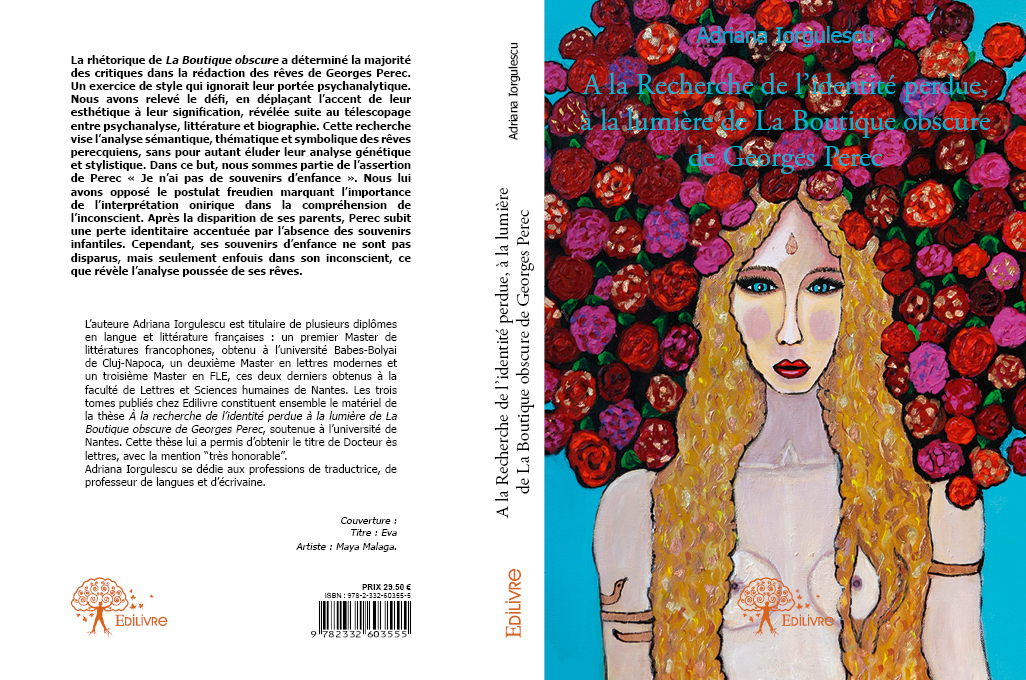
Published by Edivivre, France, 2011.
Methodology
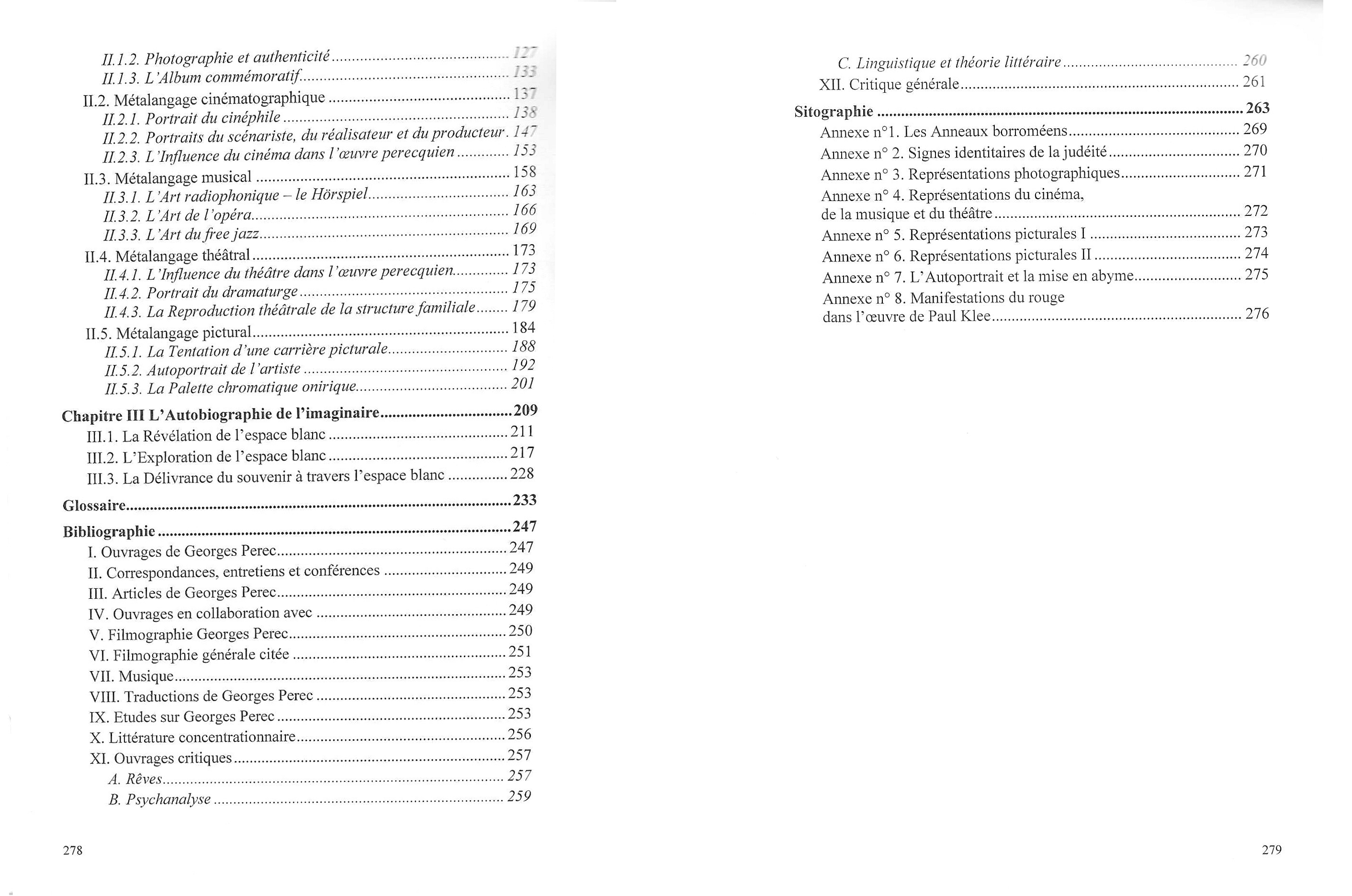
A semantic, thematic, and symbolic analysis of Perec’s 124 dreams, with attention to motifs tied to his Jewish identity, early childhood trauma, and his use of inventive language.
The framework combines Jacques Lacan’s model of the Borromean rings (Real–Symbolic–Imaginary) with insights from Carl Gustav Jung and Jean-Bertrand Pontalis.
The interdisciplinary approach bridges literature, psychoanalysis, and memory studies to uncover how Perec’s dreamscape encodes emotional truths that elude rational narrative.
Why I Wrote It
I wrote this thesis to explore how Georges Perec’s dream journal La boutique obscure reveals the deeper psychological layers of his identity—one shaped by trauma, memory, and the need for creative expression.
Through these dreams, I saw a fragmented identity emerge—one deeply marked by the profound loss of his parents and the erasure of his early childhood. Rather than being forgotten, I believe these memories were buried in his unconscious and found their way to the surface through symbolic, often surreal dream imagery.
My goal was to show that Perec’s identity was not fixed but constantly reconstructed—through language, through storytelling, and through dreams. While he plays with multiple personas in his writing, I believe his truest self emerges in his role as a writer: someone searching, remembering, and making sense of his past through words.
This thesis is my way of understanding how literature can give voice to what is unspeakable—and how writing becomes a path toward reclaiming a lost identity.
